

TRANSFORMATION PATHWAYS FOR THE CIRCULAR ECONOMY IN UKRAINE INDUSTRY


The second interactive Panel of Experts “Transformation Pathways for the circular economy in Ukraine industry” worked on the fourth stage – ‘Transformation pathways’ – of the 4-stage foresight exercise. It took place in a hybrid format on 24 January 2024, and explored the connections between visions and pathways for the future development of the CE in Ukraine, and defined the roles and actions of the key stakeholders as the main agents of change in this process.
In interactive groups, the participants explored the impacts, barriers and opportunities for key product value chains, including waste management, packaging, construction, electronics, textiles and food.
Following the meeting, the participants:
– Got familirized with an overview of the Visioning report and results of the Survey B
– Co-created transformation pathways, using foresight roadmapping methods and tools
– Discussed the implications for the selected reference KPVCs, such as Construction/ Electronics/Packaging/Food
– Explored practical applications to policy, business, civil society etc.
– Indicated possible follow up actions to the foresight project (community of practice, web materials, networking etc.)
– Reviewed the implications for the whole CE-Ukraine agenda.
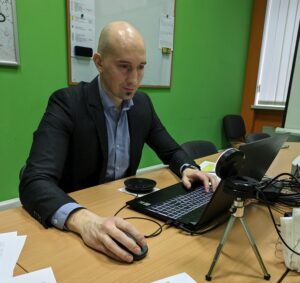
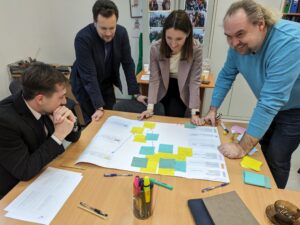 Panel II brought together over 50 (65% women) international and national participants, including experts from academia, Government, business, civil society and creative sector, who can make an important contribution to the future development of the circular economy in Ukraine.
In total, two expert discussions and two online surveys (F and B) have already been successfully conducted for the “Exploratory Strategic Foresight for Circular Economy in Ukraine”.
The main goal of the strategic foresight is to explore the prospects for implementing the circular economy and develop proposals for further activities in Ukraine.
This activity – the ‘Exploratory Strategic Foresight for Circular Economy in Ukraine’ – is managed by UNIDO, under the EU-funded EU4Environment Action, with an additional funding from the German Government (BMZ).
